
Quick answer: Store 1 gallon per person per day for 3 to 7 days, as ReadyNC recommends [1], in food-grade containers you can carry and pour from. Fill them before hurricane season, swap the water every six months [2], and keep a purification option on hand in case your stored supply runs out and the tap water is unsafe.
At a glance
Why North Carolina should plan for more than three days
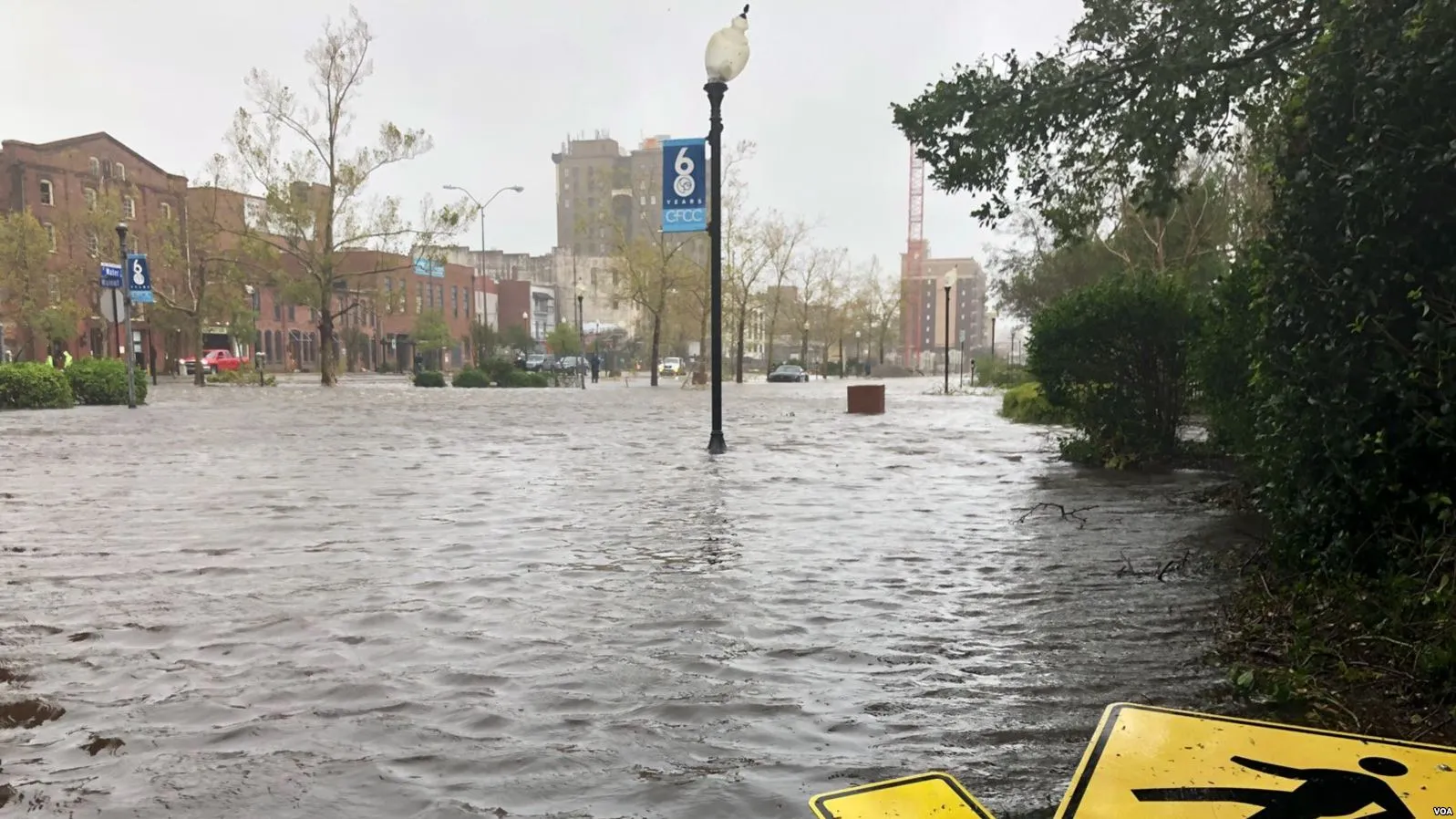
Most checklists say three days. North Carolina’s own guidance says three to seven [1], and Helene showed why. When the storm hit on September 27, 2024, it washed out the lines that carry water from Asheville’s reservoirs. City crews restored non-drinkable water in 21 days and drinkable water in 52 days [3]. When the tap stops, the water you stored before the storm is the water you can count on.
How we chose
- Food-safe materials, which Ready.gov calls for when you store water yourself [2]. We used only claims the maker makes on its own product page.
- Carry and pour: a full 7-gallon container weighs close to 60 pounds, so we included a smaller stackable option.
- Purification backup registered with the EPA, with its limits stated plainly.
- Recall check: we searched the CPSC recall database for each brand and model on November 2, 2026, and found none.
Our picks
Best for: The main family supply
Reliance Aqua-Tainer, 7 Gallon
A rigid 7-gallon jug with a spigot that stores inside the cap, so you can set it on a counter and pour without lifting it. Reliance says it's food safe, LFGB certified and FDA compliant, and free of BPA and PFAS.
- 7 gallons (26 L), item 9410-03R [5]
- 11.5 x 11.25 x 15.75 in.; 2 lb empty [5]
- Hideaway spigot and screw-on vent cap [5]
- PFAS and BPA-free; FDA compliant, per maker [5]
Safety check: No CPSC recall found for Aqua-Tainer (checked 2026-11-02).
Watch out: Heavy when full, and Reliance listed it as out of stock when we checked. Four of them cover a family of four for about a week.
See it on Amazon → We chose it from specs and safety records; we haven't tested it ourselves.
Best for: Tight closets and under-shelf storage
Reliance Jumbo-Tainer 2.0, 7 Gallon
Same capacity as the Aqua-Tainer in a taller, narrower shape with two handles, which makes it easier to fit along a wall or under a shelf.
- 7 gallons (26 L) [6]
- 15.3 x 8.5 x 18.0 in.; 2.9 lb empty [6]
- Dual handles; hideaway spigot [6]
- PFAS and BPA-free; FDA compliant, per maker [6]
Safety check: No CPSC recall found for Jumbo-Tainer (checked 2026-11-02).
Watch out: Taller than the Aqua-Tainer, so check shelf height before you buy.
See it on Amazon → We chose it from specs and safety records; we haven't tested it ourselves.
Best for: Stacking in small spaces and carrying by hand
WaterBrick, 3.5 Gallon
Flat, interlocking bricks that stack on each other or under a bed. At 3.5 gallons, a full one is light enough for most adults to carry.
- 3.5 gallons; 9 x 18 x 6 in.; 2.52 lb empty [7]
- HDPE container, polypropylene lid, TPE gasket [7]
- BPA free and FDA compliant materials, per maker [7]
Safety check: No CPSC recall found for WaterBrick (checked 2026-11-02).
Watch out: Pouring from the wide lid is awkward; WaterBrick sells a dispenser separately. You need about eight for a family of four for three days.
See it on Amazon → We chose it from specs and safety records; we haven't tested it ourselves.
Best for: A backup if stored water runs out
Aquatabs Water Purification Tablets
EPA-registered chlorine tablets (sodium dichloroisocyanurate) that disinfect water when you can't boil it. The maker's instructions are to match the tablet to the water volume on the strip and wait 30 minutes.
- Active ingredient: sodium dichloro-s-triazinetrione, 16.88% [8]
- Wait 30 minutes after adding the tablet, per maker [9]
- EPA Reg. No. 71847-4 [8]
Safety check: EPA-registered (71847-4). No CPSC recall found (checked 2026-11-02).
Watch out: Chlorine tablets don't kill Cryptosporidium, and no tablet makes water safe from fuel or chemical contamination [4]. Boiling is the surest method when you can do it.
See it on Amazon → We chose it from specs and safety records; we haven't tested it ourselves.
Buying guide
- Do the math first. People x 1 gallon x days. A family of four needs 12 gallons for three days and 28 for a week [1].
- Use food-grade containers only, and wash and sanitize them before filling [2].
- Store sealed bottled water in a cool, dark place in its original container [2].
- Label each container with the fill date and swap the water every six months [2].
- Keep a few containers small. If you have to leave, you can carry a 3.5-gallon container; a 7-gallon one is hard to move.
Sources
- ReadyNC (N.C. Emergency Management): Get a Kit
- Ready.gov: Water
- City of Asheville: City of Asheville reflects on 2024 and looks ahead towards 2025
- CDC: How to Make Water Safe in an Emergency
- Reliance Products: Aqua-Tainer
- Reliance Products: Jumbo-Tainer 2.0
- WaterBrick: Product Specifications
- U.S. EPA Pesticide Product Label System: EPA Reg. No. 71847-4 (Aquatabs)
- Aquatabs: How it works
Common questions
How much water should I store for a hurricane in North Carolina?
ReadyNC, the state's emergency management site, says 1 gallon per person per day for 3 to 7 days, plus water for pets for the same period. For a family of four, that's 12 to 28 gallons.
How often should I replace stored water?
Ready.gov says to replace water you stored yourself every six months. Commercially bottled water can stay in its sealed original container, kept somewhere cool and dark.
Can I just fill containers from the tap?
Yes, if they're food-grade. Ready.gov says to wash them with dish soap, sanitize with 1 teaspoon of unscented household bleach per quart of water, rinse, then fill with tap water.